What is SEO Complete Guide 2025 – Everything from Beginner to Expert
1. What is SEO
What is SEO Complete Guide 2025 :- SEO stands for Search Engine Optimization. It is a digital marketing technique aimed at improving a website’s position in the search engine results (such as Google, Bing), so that users can easily find the site. When a user searches for a keyword, the search engine shows the most relevant and valuable content based on their query. SEO helps optimize this process.

Example: If someone searches for “best mobile phones under 15000,” the websites appearing in the top 3 results have effectively utilized SEO.
Benefits:
- Free (organic) traffic.
- Brand credibility increases.
- Long-term results.
- Better ROI compared to paid ads.
2. How Does SEO Work?
SEO can seem technical, but breaking it down into steps makes it easier to understand. SEO works in 3 basic steps: Crawling, Indexing, and Ranking. Understanding these steps is crucial to position your website higher in search engine results.
1. Crawling
- Crawling refers to search engine bots (like Googlebot) exploring the web and scanning webpages. Whenever you update your website or publish new content, Googlebot crawls it.
- Bots’ Role:- Googlebot reads each page and checks if there’s new content or if old content has been updated.
- Link Following:- When the bot crawls a page, it follows the links on that page to discover other pages.
- In this step:- Googlebot uses its intelligence to understand the content of each page by scanning it.
2. Indexing
- Indexing is the process where crawled pages are stored in Google’s database. Once a page’s content is crawled and found relevant and useful, it is indexed.
- Being Indexed:- If a page provides valuable content, it is stored in Google’s index. This means, when a user searches, Google will show these indexed pages in the results.
- Importance of Indexing:- If a page is not indexed, it will never appear in search results. Ensuring your pages are crawled and indexed is essential.
- Ranking:- When a user searches for a query, Google analyzes its indexed pages and ranks them based on various factors. Ranking determines which page will appear first, second, or last in search results.
3. Ranking Factors:
- Keyword Relevance:- Pages that include the keywords searched by the user get higher rankings.
- Backlinks: If reputable websites link to your page, Google sees it as valuable, giving it a higher ranking. Backlinks enhance your website’s credibility.
- Page Load Speed: Fast-loading websites are preferred by Google because they improve user experience.
- Mobile-friendliness: Since more users search via mobile, Google favors mobile-optimized websites.
- Content Quality: Google prefers high-quality content. Informative, original, and well-written content ranks higher. Length, clarity, and usefulness of the content are crucial.
- User Experience (UX): Websites that are easy to navigate and provide a smooth experience to users will rank higher.
3. Key Factors in SEO
- Keywords: Incorporate relevant keywords into your website’s content to ensure it shows up when users search for those terms. Use keywords naturally and avoid keyword stuffing.
- Mobile-friendliness: As mobile usage increases, Google prefers mobile-friendly websites. Ensure your website design is responsive to perform well on mobile devices.
- Backlinks: Backlinks increase your website’s authority. When other websites link to your content, it signals to Google that your content is valuable, improving your rankings.
- Content Quality: Content should be valuable to users. High-quality content that answers users’ queries effectively ranks higher.
- Page Load Speed: Slow websites result in high bounce rates. Google prefers fast-loading websites, so optimize your page speed.
4. Types of SEO (Short Version)
1. On-Page SEO:
On-Page SEO involves optimization within your website. The goal is to optimize content and structure for search engines to understand easily.
- Title Tags: The page title visible in search results.
- Meta Descriptions: Short summaries displayed in search results.
- Keyword Optimization: Use relevant keywords in content.
- Image Alt Text: Descriptions for images that search engines understand.
- URL Structure: Clean and readable URLs.
- Internal Linking: Linking different pages on your website.

2. Off-Page SEO:
Off-Page SEO refers to activities outside your website that build authority and improve visibility, such as:
- Guest Posting: Writing articles on other websites.
- Social Media Marketing: Promoting content on social platforms.
- Influencer Outreach: Working with influencers to promote your content.
- Forum Submission: Participating in forums related to your niche.
3. Technical SEO:
Technical SEO optimizes your website’s backend to ensure it’s easily crawled and understood by search engines.
- Mobile Optimization: Ensure your website is mobile-friendly.
- SSL Certificate: Secure your website (HTTPS).
- Fast Loading Speed: Optimize the loading speed of your website.
- Structured data: schema markup to help search engines understand your content even better
- Sitemap/Robots.txt: Help search engines navigate your website’s structure.
4. Local SEO:
Local SEO helps businesses rank for location-based searches.
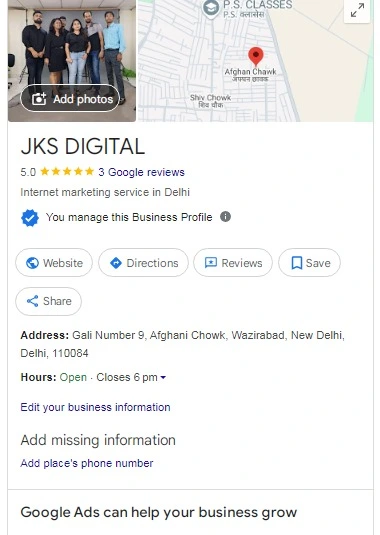
- Google My Business: List your business on Google.
- Local Keywords: Use location-specific keywords.
- Reviews: Encourage positive customer reviews.
- Citations: List your business in local directories.
5. Voice SEO:
- Voice SEO optimizes content for voice-based searches.
- Conversational Keywords: Use natural language that users may speak in voice searches.
- Optimizing for Questions: Structure content in a question-answer format.
5. On-Page SEO Techniques
1. Keyword Research:
What it is: Finding keywords people search for online.
- How to do it:
- Seed Keywords: Basic terms related to your topic.
- Competitor Analysis: Check your competitors’ top-ranking pages.
- Long-tail Keywords: Specific, detailed keywords with lower competition.
2. Title & Meta Description:
What it is: The title and short description shown in search results.
- Best Practices:
- Make them catchy and attention-grabbing.
- Include main keywords.
- Keep the title to ~60 characters and meta description to ~155 characters.
3. Heading Tags (H1, H2, H3…):
What it is: Structuring your content with headings.
- How to use it:
- H1: Main title of the page (used once).
- H2: Major section headings.
- H3: Subsections under H2.
- This helps Google understand the content structure.
4. Image Optimization:
What it is: Making images load fast and understandable to search engines.
- Steps:
- Alt Tag: Provide a description for images.
- File Size Compression: Reduce image size to improve load time.
- SEO-friendly File Names: Use descriptive filenames Read More


Comments
Post a Comment